Source Spin On Lube Oil Filter for Industry, Automotive, and Machinery
Compare 30 spin on lube oil filter options from verified suppliers. Buyers can evaluate specifications like thread size, filtration grade, and working pressure to find suitable units for industrial, automotive, and machinery applications; compare the available evidence and request quotations based on your requirements.
Key considerations
Products List


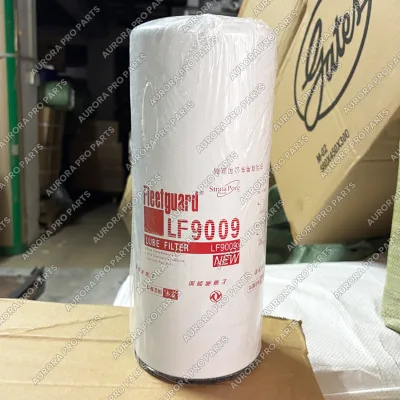


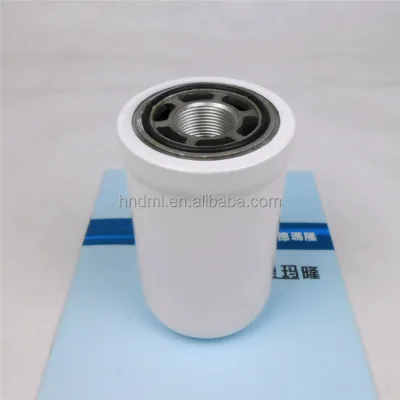


Comprehensive Sourcing Guide
Spin On Lube Oil Filter Sourcing Guide
Procuring spin-on lube oil filters requires a disciplined approach to technical alignment and supply chain reliability. Buyers must move beyond generic descriptions to verify specific dimensional and performance attributes that ensure compatibility with their machinery. The observed product landscape includes various filtration grades, from pre-filters to HEPA-grade media, indicating a wide spectrum of applications. Understanding these distinctions is critical for selecting the right component for industrial, metallurgical, or textile environments.
The sourcing process should begin with a clear definition of the operational requirements. This includes identifying the specific thread size, such as 1 1/8-16 UN or 1 3/8-12 UNF-2B, which are common in the observed listings. Buyers must also consider the filtration grade, whether it is a pre-filter, medium filter, or high-efficiency option. By mapping these technical needs to supplier capabilities, procurement teams can avoid costly mismatches that lead to equipment downtime or premature filter failure.
Product Scope and Observed Listing Signals
The market for spin-on lube oil filters encompasses a diverse range of product configurations, as evidenced by the observed listings. Products vary significantly in physical dimensions, with outer diameters ranging from 93mm to 118mm and heights from 174mm to 260mm. These variations correspond to different housing sizes and flow rates required by various industrial applications. Buyers should note that while some filters are designed for liquid filtration in general industry, others are specified for medicine, food and beverage, or metallurgy sectors.
Material composition is another key signal in the product scope. Observed materials include paper, chemical fiber, and glass fiber, often combined with paper cores. The filtration media can be either glass fiber or paper, depending on the required efficiency and pressure drop characteristics. Additionally, the structural design varies, with some units featuring flat connectors and others using specific gasket dimensions, such as a 98mm ID and 110mm OD. Understanding these material and structural differences helps buyers identify suppliers who can provide the specific filtration performance needed for their application.
Technical Specifications to Verify
Verifying technical specifications is paramount to ensuring the filter functions correctly within the system. Buyers must confirm the thread size and connection type, as mismatches can lead to leaks or installation failures. Common thread sizes observed include 1 1/8-16 UN and 1 3/8-12 UNF-2B. Additionally, the bypass valve opening pressure is a critical parameter; for instance, one observed model has a bypass valve opening pressure of 1.75bar. This value determines when the filter allows unfiltered oil to bypass the media if the filter becomes clogged, protecting the engine from starvation.
Pressure ratings must also be rigorously checked to ensure the filter can withstand operational stresses. The element collapse pressure, observed at 5bar in some listings, indicates the maximum differential pressure the filter element can withstand before collapsing. The working pressure, noted at 25bar in certain models, defines the maximum system pressure the filter can handle. Buyers should verify these values against their system's maximum operating conditions. Furthermore, the net weight, such as 0.76kg, can be a useful indicator of the filter's size and media loading, helping to confirm that the supplier is providing the correct model.
Compliance and Safety Documentation
Compliance documentation is essential for ensuring that the filters meet the safety and quality standards required by the end-user industry. While specific certifications are not always listed in basic product data, buyers should request documentation that verifies the filter's suitability for its intended application. For example, filters used in food and beverage or medicine applications may require specific material safety certifications to ensure no harmful substances leach into the product. Buyers should ask suppliers for material safety data sheets (MSDS) and any relevant industry-specific compliance certificates.
Safety documentation should also include test reports that validate the filter's performance under specified conditions. This includes tests for bypass valve operation, element collapse pressure, and filtration efficiency. Buyers should request these reports to confirm that the filter meets the stated specifications. Additionally, documentation regarding the manufacturing process, such as quality control procedures and inspection records, can provide further assurance of the filter's reliability. By requiring comprehensive compliance documentation, buyers can mitigate the risk of non-conforming products entering their supply chain.
Cost Drivers and Commercial Terms
Understanding the cost drivers for spin-on lube oil filters is crucial for effective budgeting and negotiation. The price of a filter is influenced by several factors, including the filtration grade, material quality, and manufacturing complexity. High-efficiency filters, such as those with HEPA-grade media, typically command a higher price due to the cost of the specialized media and the precision required in manufacturing. Buyers should consider the total cost of ownership, which includes not only the purchase price but also the frequency of replacement and the potential cost of downtime if the filter fails.
Commercial terms, such as minimum order quantities (MOQ) and payment terms, also impact the overall cost. Observed MOQs range from 1 to 500 units, allowing for flexibility in ordering. Buyers should negotiate terms that align with their inventory management strategy, balancing the benefits of bulk purchasing against the risks of overstocking. Additionally, payment terms, such as net 30 or net 60, can affect cash flow. By understanding these cost drivers and commercial terms, buyers can make informed decisions that optimize both cost and supply chain reliability.
Supplier Qualification and Quality Control
Qualifying suppliers is a critical step in ensuring the consistent quality of spin-on lube oil filters. Buyers should evaluate suppliers based on their manufacturing capabilities, quality control processes, and track record of delivering on-time and on-spec products. This includes reviewing the supplier's production facilities, equipment, and workforce. Suppliers with robust quality control systems, such as ISO 9001 certification, are more likely to deliver consistent quality. Buyers should also consider the supplier's ability to provide custom solutions, as observed in the listings where customization is available.
Quality control should extend to the incoming inspection of filters. Buyers should establish a clear inspection protocol that includes checking for dimensional accuracy, material integrity, and functional performance. This may involve sampling and testing filters to verify that they meet the specified requirements. Additionally, buyers should monitor the supplier's performance over time, tracking metrics such as defect rates, on-time delivery, and responsiveness to issues. By maintaining a rigorous supplier qualification and quality control process, buyers can ensure a reliable supply of high-quality filters.
Long-Term Procurement Checks
Long-term procurement checks are essential for maintaining a stable and efficient supply chain for spin-on lube oil filters. Buyers should regularly review their supplier relationships to ensure that they continue to meet the required standards. This includes monitoring changes in the supplier's production capabilities, quality control processes, and financial stability. By staying informed about these factors, buyers can proactively address potential issues before they impact their operations. Additionally, buyers should explore opportunities for cost optimization, such as negotiating better terms or consolidating orders.
Sustainability and environmental considerations are also becoming increasingly important in long-term procurement. Buyers should evaluate suppliers based on their environmental practices, such as waste management and energy efficiency. This not only aligns with corporate sustainability goals but can also lead to cost savings in the long run. By incorporating these long-term procurement checks, buyers can build a resilient and efficient supply chain that supports their business objectives. Regular reviews and continuous improvement efforts will help ensure that the procurement process remains aligned with the evolving needs of the business.
FAQs
What filtration grades are available for spin on lube oil filters?
Available filtration grades include PRE Filter, Medium Filter, and Hepa Filter depending on the specific model. These grades determine the particle size captured and suitability for different industrial applications like medicine, food, or metallurgy.
Which thread sizes are compatible with spin on lube oil filters?
Compatible thread sizes include Unf 1"12 Inch Female Bottom, N/a 1 5/8-12, and 1 1/8-16 Un. Select the correct size based on your engine requirements to ensure a secure and leak-free installation during operation.
Can I request customization for the filter plate and packing?
Yes, customization is available for the filter plate and packing options. You can specify carton boxes or custom requirements to match your logistical needs and branding preferences for bulk orders in international trade.
What is the working pressure limit for these oil filters?
The working pressure limit is 25bar for standard models. This ensures safe operation under high-pressure conditions while maintaining structural integrity against collapse pressures up to 5bar during normal filtration cycles.
How is the bypass valve opening pressure configured in these units?
The bypass valve opening pressure is set at 1.75bar to protect the engine during cold starts. This feature ensures oil flow continues even if the filter element becomes clogged with debris or contaminants.
What materials are used for the filter media and core?
Filter media consists of Paper, Chemical Fiber, or Glass Fiber/Paper combinations. The core material is typically Paper Core, providing durability and efficient particle capture for various liquid filtration applications in heavy machinery.
Which product models are available for spin on lube oil filters?
Available models include WD950, LF3620, LF3970, 27356, and 2910965. Each model offers specific dimensions and thread sizes to fit different equipment requirements while maintaining high filtration efficiency standards.